Modern drivers expect their vehicle’s infotainment system to mirror their digital lives seamlessly. Whether navigating via Google Maps, streaming playlists, or answering hands-free calls, features like Apple CarPlay and Android Auto have transitioned from luxury add-ons to essential vehicle features. Guaranteeing that these systems work without disruption requires rigorous phone projection testing.
What Is Phone Projection Testing?
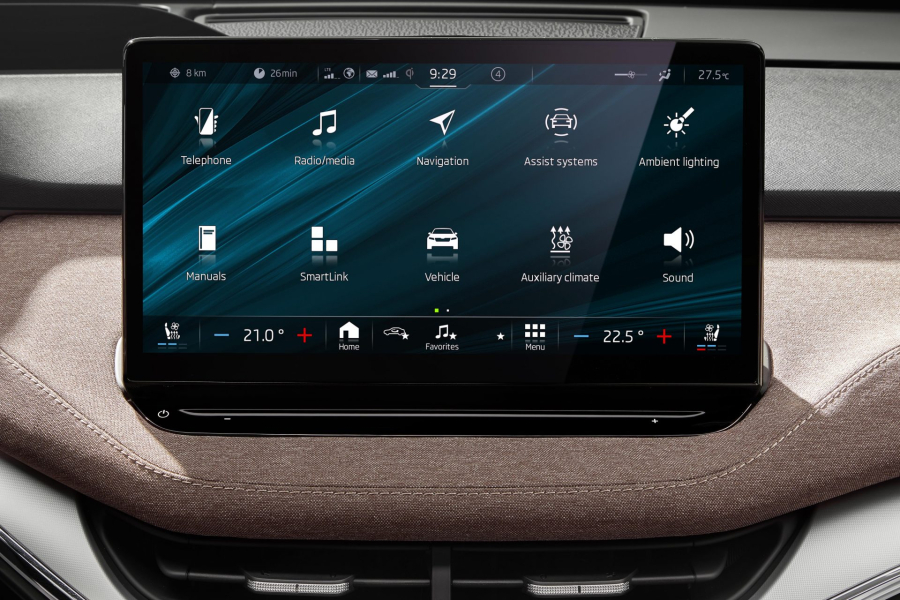
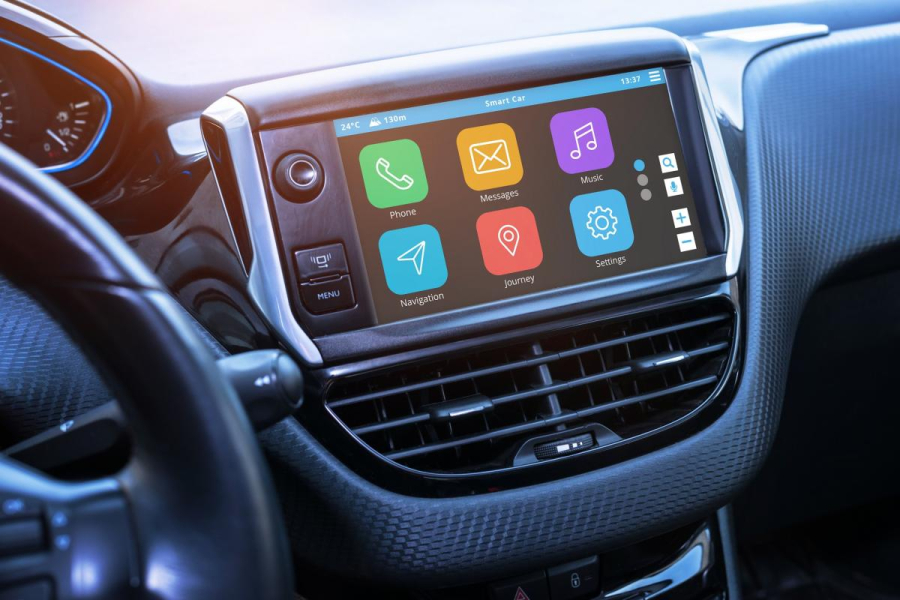
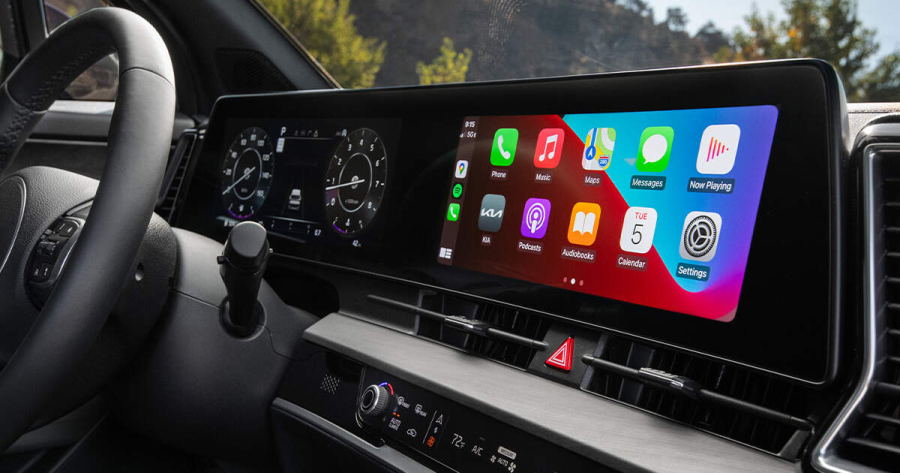
Phone projection testing evaluates the bi-directional communication, data transfer, and graphical rendering between a smartphone and an automotive In-Vehicle Infotainment (IVI) head unit. Rather than relying solely on the car’s native operating system, phone projection relies on protocols that mirror or display an optimized, driver-friendly interface from the mobile device directly onto the vehicle's dashboard display.
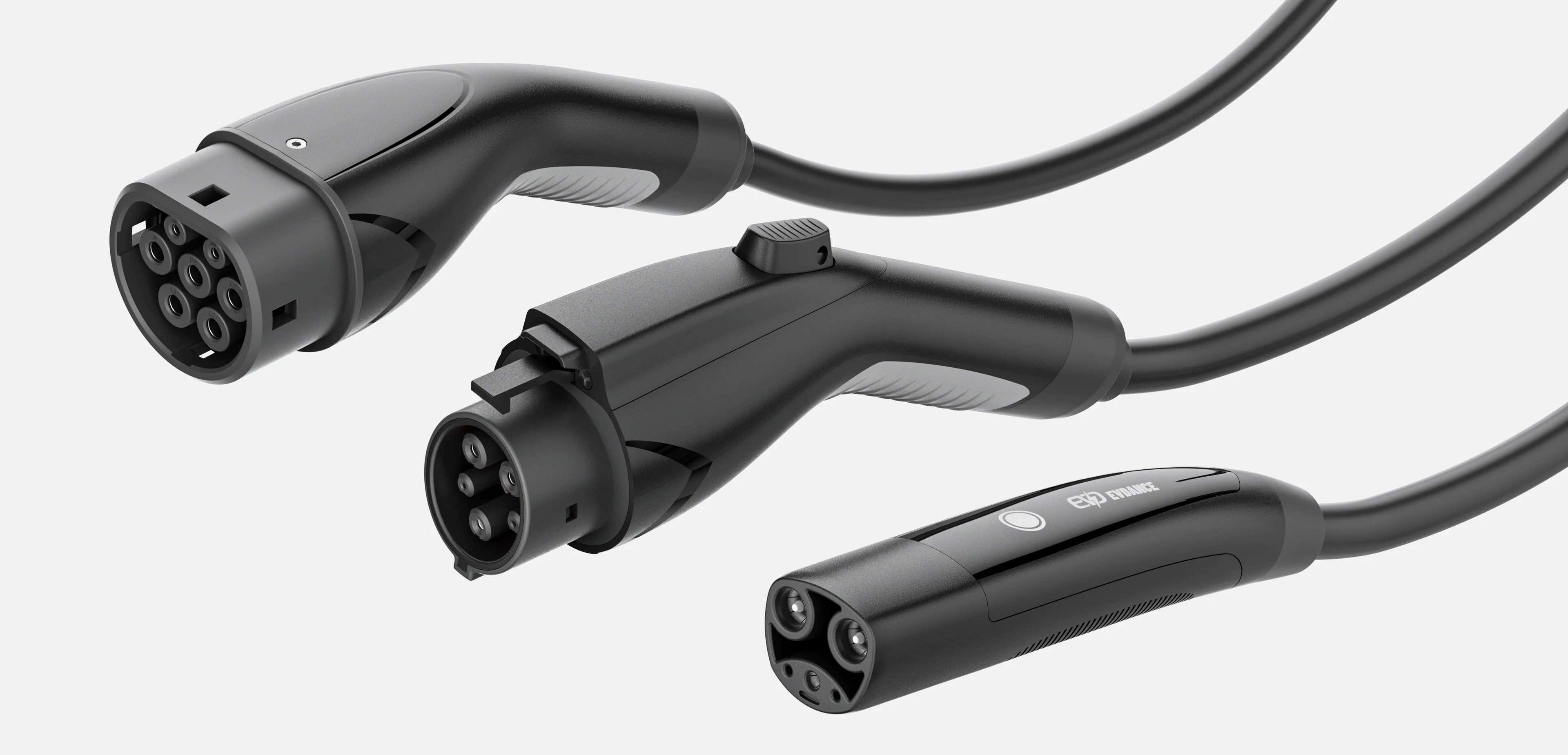
Testing teams evaluate both wired (USB-C, Lightning) and wireless (Wi-Fi, Bluetooth) connections to ensure stability, safety compliance, and low latency across operating systems and hardware configurations.
Key Focus Areas in the Testing Pipeline
- Protocol Compliance and Certification
Automotive OEMs must meet strict certification standards set by tech providers, including Apple CarPlay Certification and Google Android Auto Compliance. Tests verify proper handshaking, security certificates, and adherence to platform-specific UI rendering guidelines.
- Connection Stability and Handshake
Engineers run stress tests on initial pairing, reconnect sequences, and automatic handoffs (such as switching from a wired to a wireless connection). Testing must cover cold boots, ignition cycles, and edge cases where multiple paired devices enter the vehicle simultaneously.
- Latency and Audio-Video Synchronization
Laggy touch responses or delayed GPS routing introduce driver distraction and compromise safety. Teams measure touch-to-display latency, frame rates during high-resolution map rendering, and lip-sync accuracy during video playback or hands-free calls.
- Resource Management and System Interruption
How does the projected interface behave during unexpected events? Phone projection testing assesses how the head unit handles incoming cellular calls, OEM backup camera activations, native climate control overlays, and sudden cable disconnections without crashing the subsystem.
Overcoming Interoperability Challenges
The mobile ecosystem changes rapidly with frequent OS updates, new firmware, and varying hardware chipsets across Android and iOS vendors. A vehicle’s IVI system, by contrast, operates on multi-year development cycles.
To bridge this gap, QA teams deploy automated test benches using hardware-in-the-loop (HIL) simulators, programmable USB switches, and device farm matrixes. Automated regression suites test hundreds of mobile OS versions against the IVI firmware to catch connectivity drops, protocol mismatches, and memory leaks before production release.
Elevating the Driving Experience
A buggy projection interface directly damages brand perception and inflates warranty claim costs. Robust phone projection testing ensures that in-vehicle connectivity remains fast, reliable, and secure across every smartphone update, delivering the seamless digital driving experience today’s consumers demand.