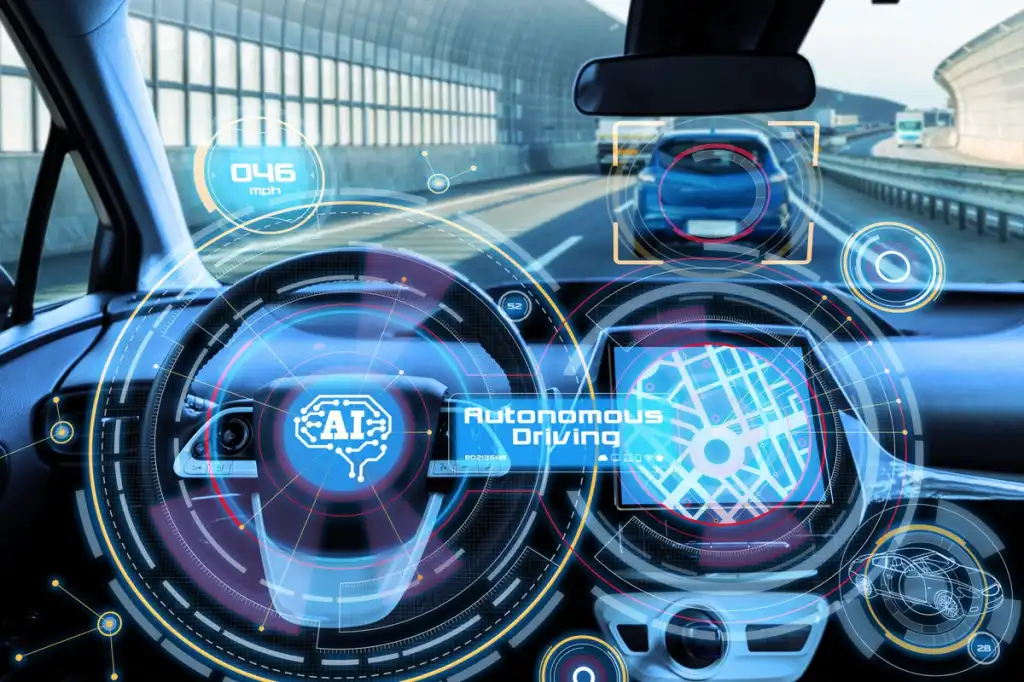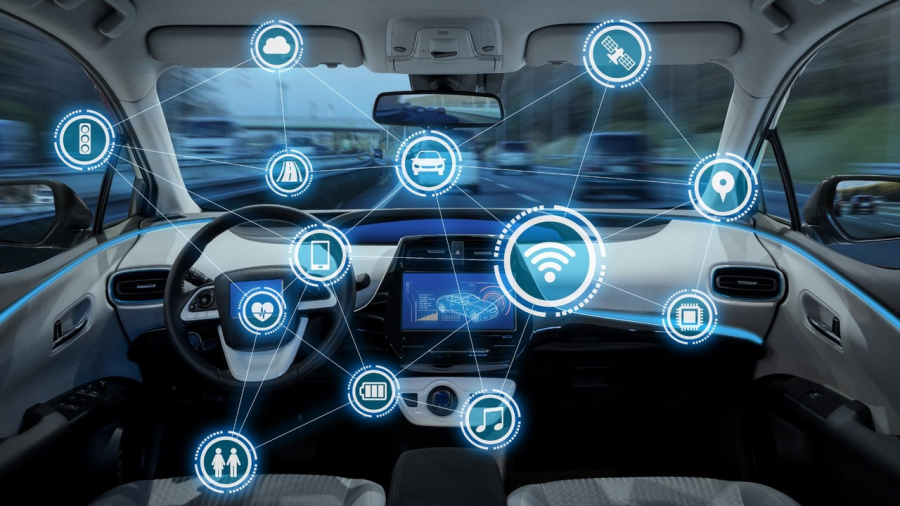
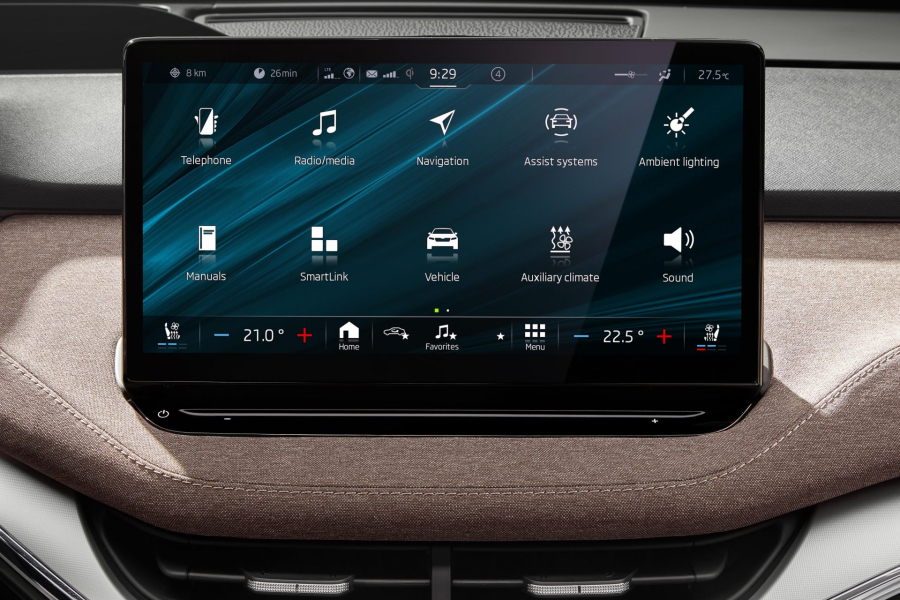
The modern vehicle is no longer just a mechanical machine; it is a software-defined computer on wheels. At the center of this transformation are the infotainment system and the digital cockpit. These systems are the primary touchpoints for user experience (UX), merging entertainment, navigation, vehicle diagnostics, and Advanced Driver Assistance Systems (ADAS) into a single, cohesive interface.
However, as software complexity scales, so does the risk of system failures. A lagging navigation map, a dropped Bluetooth connection, or a freezing instrument cluster isn’t just an inconvenience—it can be a massive safety hazard and a direct hit to an automotive brand’s reputation.
To achieve flawless performance, automotive OEMs and Tier-1 suppliers must implement rigorous infotainment testing and digital cockpit testing strategies. Here is a deep dive into how to optimize these systems for the road.
Understanding the Connected Vehicle Architecture
Before diving into testing methodologies, it helps to understand how these systems interact. The digital cockpit unifies multiple displays, inputs, and operating systems under a single computing platform, often managed by a high-performance hypervisor.
| Component | Primary Functions | Key Operating Systems |
|---|---|---|
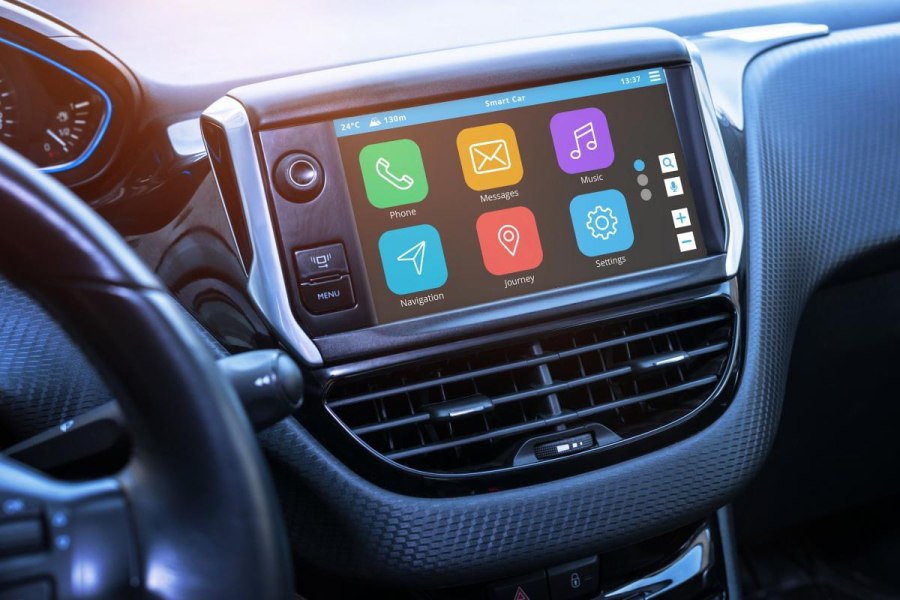
| In-Vehicle Infotainment (IVI) | Multimedia, navigation, climate control, smartphone integration (Apple CarPlay, Android Auto), cloud connectivity. | Android Automotive OS (AAOS), Linux, QNX |
| Digital Instrument Cluster | Speedometer, tachometer, critical safety warnings, ADAS visual feeds. | QNX, Green Hills INTEGRITY (Safety-critical) |
| Heads-Up Display (HUD) | Augmented reality (AR) navigation, speed alerts projected onto the windshield. | Custom embedded RTOS |
Infotainment Testing: Maximizing Connectivity and User UX
Infotainment testing ensures that the consumer-facing software functions reliably across hundreds of real-world use cases. Because these systems interface with external devices and cloud networks, the testing matrix is exceptionally broad.
Key Focus Areas for Infotainment Validation:
- Smartphone Integration & Interoperability: Validating seamless projection for Apple CarPlay and Android Auto across different device OS versions, hardware, and connection types (USB-C and wireless Wi-Fi/Bluetooth).
- Media and Over-The-Air (OTA) Updates: Testing audio/video streaming continuity, radio tuner switching (AM/FM/DAB/HD), and the rock-solid reliability of OTA software updates without bricking the head unit.
- Navigation and Location-Based Services: Ensuring GPS accuracy, dead reckoning performance (tracking position when GPS signal is lost, such as in tunnels), and dynamic route recalculation.
- Voice Recognition & HMI: Evaluating Natural Language Processing (NLP) under realistic cabin noise conditions (road noise, HVAC fan speeds, and wind).
Digital Cockpit Testing: Validating Complex, Multi-Domain Systems
While infotainment handles entertainment, digital cockpit testing looks at the entire ecosystem. It ensures that safety-critical data (like a brake warning light) and non-critical data (like a song title) can coexist on the same silicon without interference.
Critical Testing Pillars:
- Hypervisor and Domain Isolation: Verifying that a crash or memory leak in the infotainment domain (e.g., a glitchy Android app) does not impact the safety-critical instrument cluster domain run by the hypervisor.
- Display and Graphics Performance: Measuring boot-to-logo time, frame rates (FPS), and rendering latencies. The digital cluster must display real-time speed and ADAS alerts without visible lag or stuttering.
- Multi-Display Coordination: Ensuring smooth cross-display interactions, such as dragging a navigation map from the central infotainment screen directly over to the driver's instrument view.
Advanced Testing Methodologies: HIL and Automation
To scale testing and cover thousands of regression scenarios, manual testing on test benches or physical test vehicles is no longer enough. Advanced QA providers utilize a hybrid framework:
Hardware-in-the-Loop (HIL) Simulation
HIL testing injects simulated vehicle bus signals (CAN, CAN-FD, LIN, Automotive Ethernet) into physical head units and clusters. This allows engineers to simulate edge-case scenarios—like a sudden high-voltage battery surge or sensor failure—in a controlled laboratory environment.
Test Automation with Computer Vision
Automating touchscreens requires specialized robotic arms or software injection tools. Furthermore, to verify that the screen actually displayed the correct icon, automated testing setups use high-speed cameras coupled with Computer Vision (OCR and image matching) to validate the visual output in real-time, catching UI anomalies that APIs might miss.
Why Choose EagleTC as Your Automotive Testing Partner?
Navigating the complexities of modern vehicle software validation requires deep domain expertise, cutting-edge infrastructure, and agile execution. EagleTC stands out as the premier engineering partner for comprehensive infotainment and digital cockpit testing.
- End-to-End Testing Capabilities: From early-stage software-in-the-loop (SIL) testing to fully integrated Hardware-in-the-Loop (HIL) setups and full-vehicle road trials, EagleTC covers every stage of the V-model lifecycle.
- Tailored Automation Frameworks: We reduce regression testing cycles by up to 60% through our proprietary automation suites, incorporating computer vision and automated bus-simulation tools.
- Interoperability Labs: EagleTC maintains an extensive library of consumer smartphones, Bluetooth devices, and regional network setups to ensure your vehicle connects flawlessly anywhere in the world.
Don’t let software glitches delay your launch or compromise your driver experience. Partner with the experts who understand how to validate the future of mobility.
Contact EagleTC today to elevate your vehicle testing strategy.