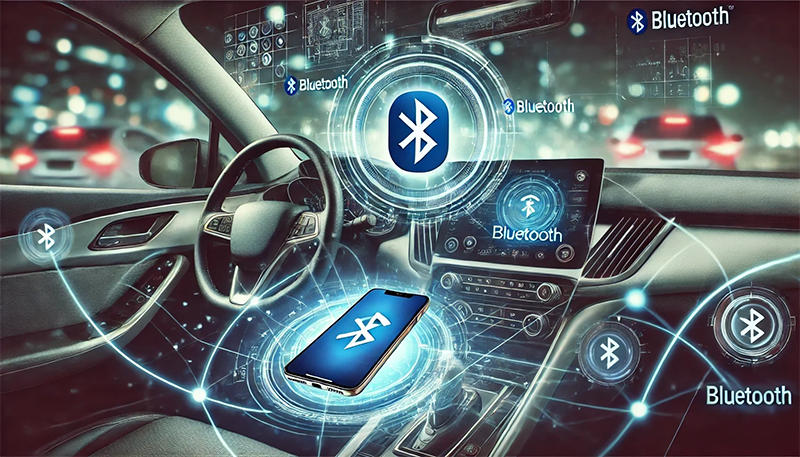
As modern vehicles become increasingly connected, Bluetooth technology has become a core component of the automotive experience. From hands-free calling and wireless music streaming to smartphone integration and digital cockpit connectivity, Bluetooth plays a critical role in today’s infotainment and connected car systems.
However, ensuring seamless communication between vehicles and the thousands of mobile devices available in the market is a major challenge for automotive manufacturers. This is where Bluetooth interoperability testing in automotive becomes essential.
Bluetooth interoperability testing ensures that automotive infotainment systems, digital cockpits, telematics platforms, and connected vehicle technologies work reliably with a wide range of smartphones, tablets, wearables, and wireless devices across different operating systems and Bluetooth versions.
What Is Bluetooth Interoperability Testing?
Bluetooth interoperability testing is the process of validating compatibility and communication between automotive Bluetooth systems and external consumer devices.
In the automotive industry, this testing focuses on ensuring that vehicle infotainment systems can consistently connect and operate with devices from different manufacturers, operating systems, and firmware versions.
Testing typically covers:
- Bluetooth pairing and reconnection
- Hands-free calling functionality
- Audio streaming performance
- Phonebook synchronization
- Contact and message access
- Voice assistant integration
- Wireless media playback
- Multi-device connectivity
- Bluetooth Low Energy (BLE) communication
The goal is to provide drivers and passengers with a smooth, reliable, and safe connected experience inside the vehicle.
Why Bluetooth Interoperability Testing Is Important
Modern consumers expect their smartphones and devices to work instantly with vehicle systems. Poor Bluetooth performance can negatively impact customer satisfaction and brand reputation.
Ensuring Seamless User Experience
Drivers rely heavily on Bluetooth connectivity for:
- Hands-free communication
- Music streaming
- Navigation audio
- Smartphone integration
- Voice commands
Interoperability testing helps eliminate pairing failures, audio interruptions, delayed responses, and unstable connections.
Supporting Multiple Devices and Platforms
Automotive systems must support thousands of device combinations, including:
- Android smartphones
- Apple iPhones
- Tablets
- Smartwatches
- Wireless accessories
Different devices may use different Bluetooth stacks, profiles, and firmware implementations, creating compatibility challenges.
Improving Vehicle Safety
Bluetooth functionality directly impacts driver safety. Reliable hands-free communication and voice interaction reduce distractions while driving.
Testing helps ensure stable and responsive wireless connectivity under real-world driving conditions.
Reducing Warranty and Support Costs
Connectivity issues often generate customer complaints and dealership support requests. Thorough interoperability testing helps manufacturers reduce post-production software fixes and support costs.
Key Areas of Automotive Bluetooth Testing
Bluetooth interoperability testing involves validating multiple functional and performance areas.
Pairing and Connection Testing
Testing verifies that devices can:
- Pair successfully
- Reconnect automatically
- Maintain stable communication
- Handle interrupted connections properly
Engineers also validate pairing behavior during ignition cycles and software updates.
Hands-Free Profile (HFP) Testing
HFP testing validates:
- Incoming and outgoing calls
- Call switching
- Audio quality
- Microphone performance
- Echo cancellation
- Noise reduction
This ensures reliable hands-free communication inside the vehicle.
Audio Streaming Testing
Audio streaming validation focuses on:
- Bluetooth music playback
- Audio synchronization
- Streaming stability
- Media control functionality
- Latency performance
Testing ensures smooth playback without interruptions or quality degradation.
Phonebook Access Profile (PBAP) Testing
PBAP testing validates contact synchronization between smartphones and infotainment systems.
Engineers verify:
- Contact imports
- Caller ID functionality
- Contact search features
- Large phonebook handling
- Multi-language support
Bluetooth Low Energy (BLE) Testing
BLE technology is increasingly used in automotive systems for:
- Digital keys
- Telematics
- Vehicle access systems
- Sensor communication
- Wearable device integration
BLE testing ensures reliable low-power communication and security validation.
Challenges in Bluetooth Automotive Testing
Bluetooth interoperability testing is highly complex due to the diversity of connected devices and software ecosystems.
Device Fragmentation
There are thousands of smartphone models, operating systems, and firmware versions available globally. Each device may behave differently during Bluetooth communication.
Frequent Software Updates
Mobile operating systems receive continuous updates that can affect Bluetooth compatibility with existing vehicle systems.
Real-World Environmental Factors
Signal interference, poor network conditions, and simultaneous wireless connections can impact Bluetooth performance.
Complex Infotainment Ecosystems
Modern vehicles integrate Bluetooth with:
- Apple CarPlay
- Android Auto
- Digital cockpit systems
- Navigation platforms
- OTA software update systems
Testing must validate interoperability across all connected systems.
Bluetooth Testing for Modern Automotive Technologies
As connected vehicle technologies continue evolving, Bluetooth testing now plays a larger role in validating advanced automotive platforms.
Infotainment Systems
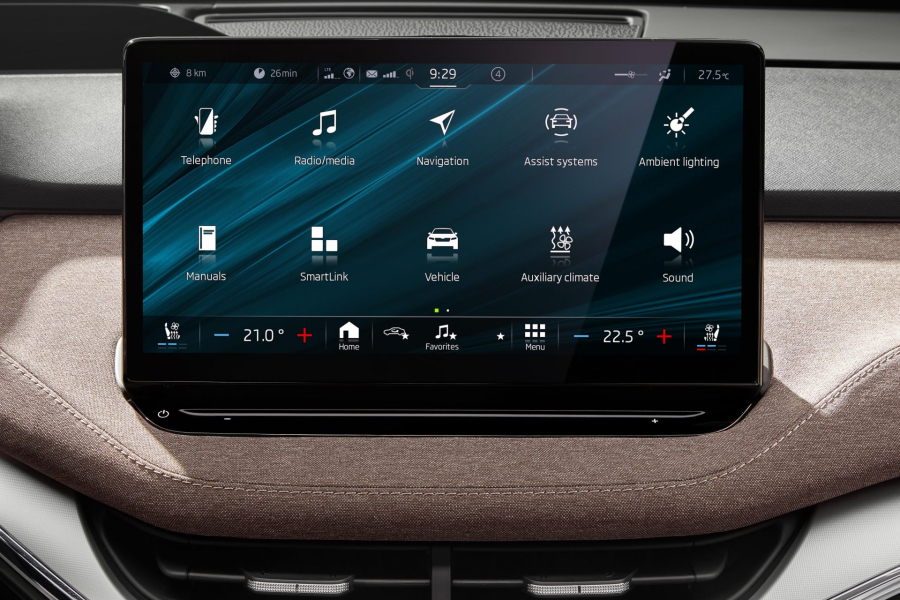
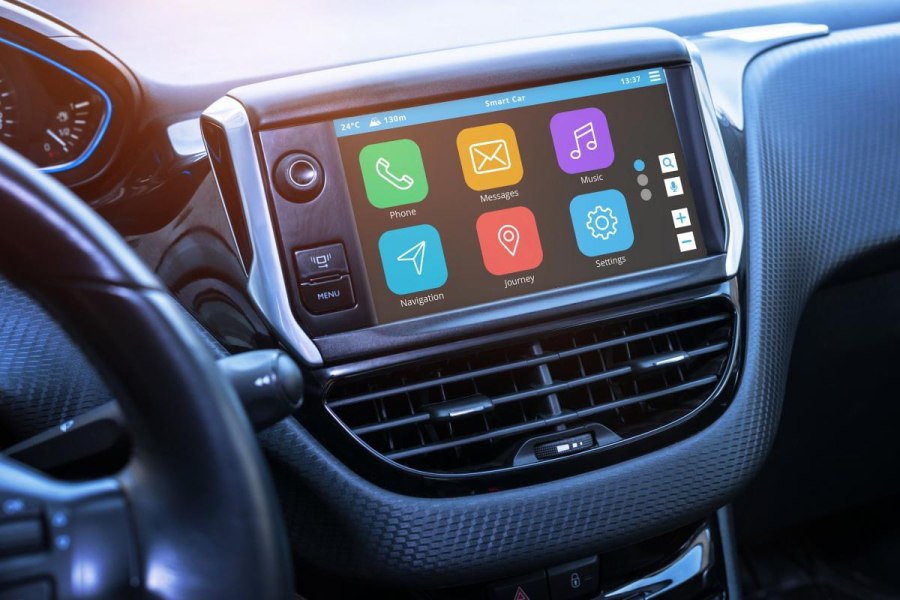
Bluetooth is a critical component of modern infotainment systems that support media playback, communication, and smartphone connectivity.
Digital Cockpit Platforms
Digital cockpit environments integrate multiple displays, wireless communication modules, and user interaction systems that require stable Bluetooth connectivity.
Connected Cars and Telematics
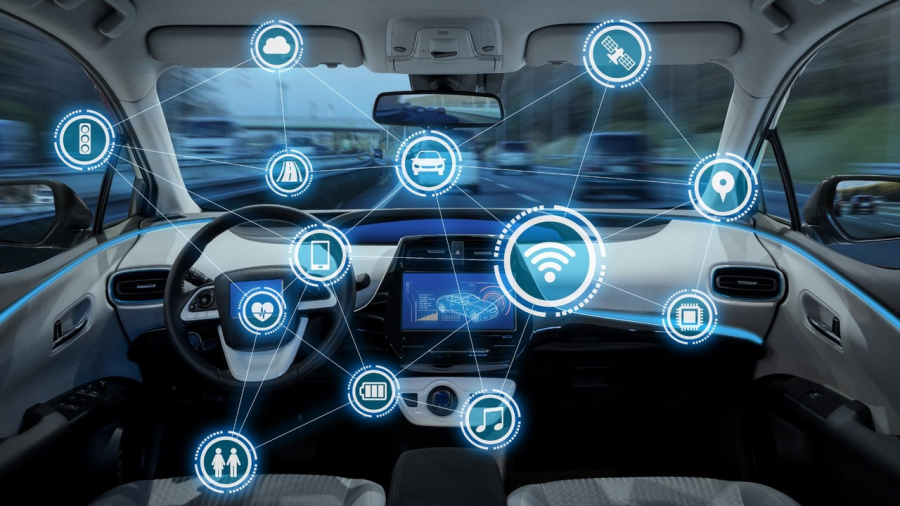
Connected vehicle ecosystems rely on Bluetooth for mobile app integration, remote access, and smart device communication.
OTA Software Updates
Over-the-Air (OTA) updates can impact Bluetooth functionality. Interoperability testing ensures wireless systems continue operating correctly after software updates.
Why Choose EagleTC for Bluetooth Interoperability Testing
EagleTC provides advanced automotive Bluetooth interoperability testing services tailored for modern connected vehicle environments.
Expertise in Automotive Connectivity
The company specializes in validating Bluetooth functionality across infotainment systems, digital cockpits, telematics platforms, and connected car technologies.
Comprehensive Device Coverage
EagleTC performs interoperability testing across a wide range of:
- Android devices
- iPhones
- Tablets
- Bluetooth accessories
- BLE-enabled platforms
Advanced Automotive Testing Capabilities
The company supports:
- HFP testing
- PBAP validation
- Audio streaming testing
- BLE testing
- OTA compatibility testing
- Multi-device interoperability validation
Focus on Quality and User Experience
Reliable Bluetooth connectivity is essential for customer satisfaction. EagleTC helps manufacturers deliver stable, seamless, and high-performance wireless connectivity solutions for modern vehicles.
Conclusion
Bluetooth interoperability testing has become a critical part of automotive software validation. As vehicles become more connected and digitally advanced, manufacturers must ensure seamless compatibility between automotive systems and consumer devices.
From infotainment platforms and digital cockpits to connected car ecosystems and OTA-enabled vehicles, Bluetooth testing helps ensure reliable communication, improved safety, and superior user experiences.
By partnering with experienced automotive testing providers such as EagleTC, manufacturers can confidently validate Bluetooth performance across modern automotive platforms and deliver high-quality connected vehicle experiences.