As electric vehicle (EV) adoption accelerates globally, the charging experience has shifted from a secondary consideration to a primary driver of customer satisfaction. For Original Equipment Manufacturers (OEMs), launching a high-performing electric vehicle is only half the battle; the vehicle must also work flawlessly with a highly fragmented, constantly updating global charging network.
This is where EV charging compatibility testing becomes a non-negotiable step in the vehicle development lifecycle.
The Complexity of the EV Charging Ecosystem
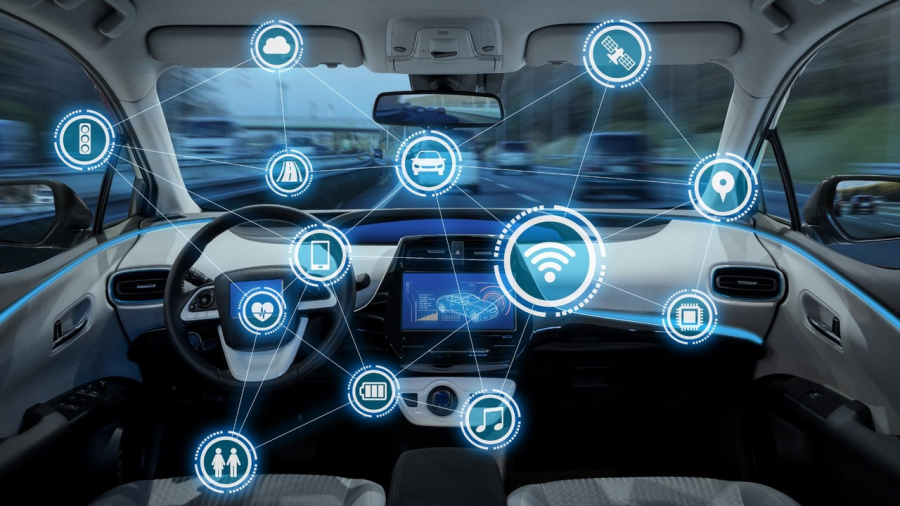
An EV is not just a consumer product; it is a complex node on a smart power grid. Ensuring seamless power transfer requires harmony across multiple variables:
- Diverse Protocols: Vehicles must communicate seamlessly using various global standards, including ISO 15118, DIN 70121, and OCPP.
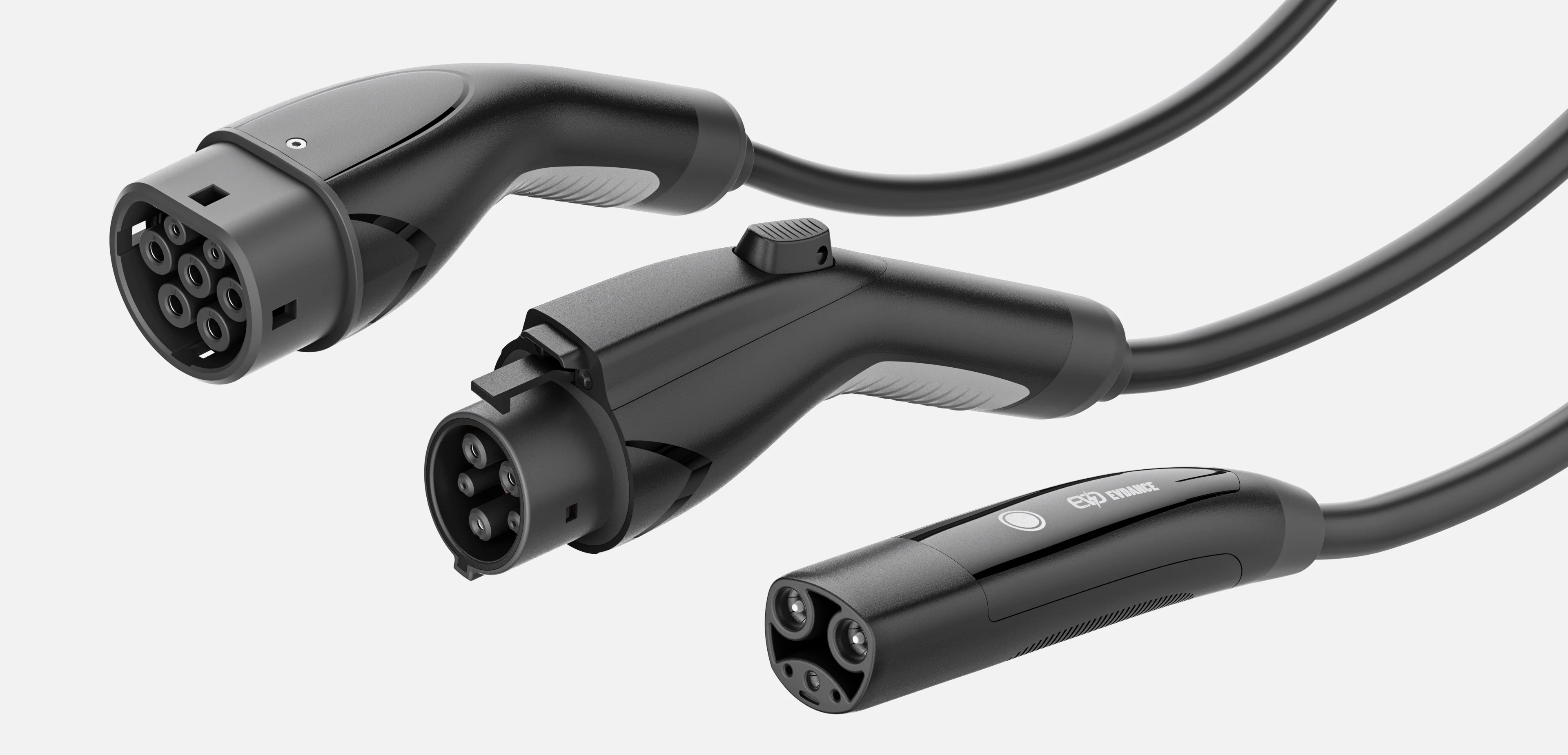
- Hardware Fragmentation: From legacy AC wallboxes to ultra-fast DC megawatt chargers, an EV must handle fluctuating currents, voltages, and hardware tolerances.
- Software Variations: Continuous, over-the-air (OTA) software updates from both vehicle manufacturers and charge point operators (CPOs) can unexpectedly break charging handshakes.
Without rigorous validation, OEMs risk software timing violations, failed handshakes, inoperable fast-charging sessions, and ultimately, severe damage to brand reputation.
Crucial Testing Areas for OEMs
To deliver a reliable vehicle, OEMs must focus on three cores of compatibility:
- Functional & Interoperability Testing :
Replicating real-world charging sessions in diverse climates and usage conditions. This validates vehicle behavior during crucial phases like starting, stopping, and unexpected charging interruptions. - Communication Protocol Compliance:
Ensuring the vehicle's onboard charger (OBC) and battery management system (BMS) translate signals flawlessly when communicating with different Electric Vehicle Supply Equipment (EVSE). - Ground Truth & Data Validation :
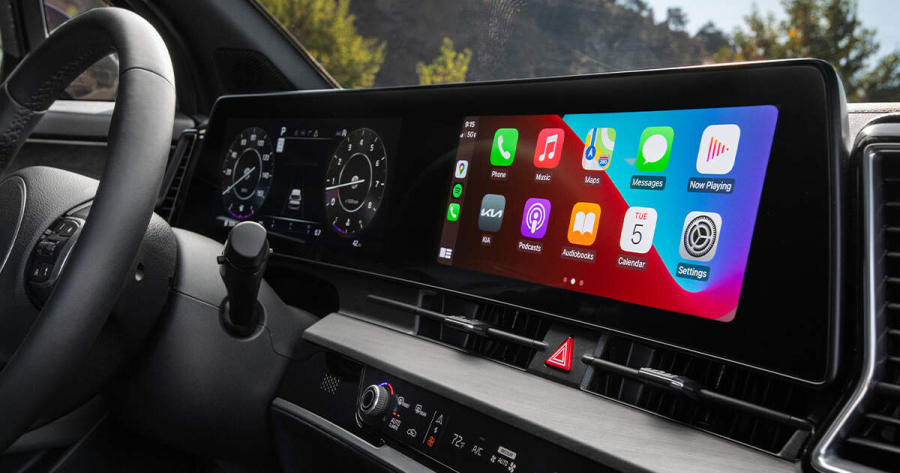
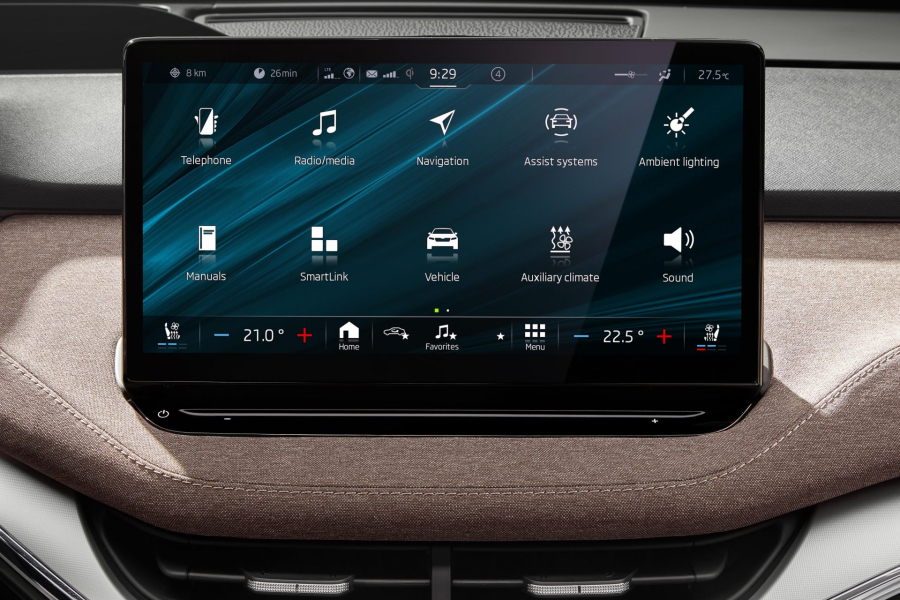
Ensuring that what the driver sees on their in-vehicle infotainment system matches reality. Drivers must have access to accurate, real-time data regarding charger locations, connector compatibility (e.g., NACS, CCS), and live station availability.
Partner for Success: Why Choose EagleTC?
Validating your vehicle against hundreds of regional networks and fluctuating standards requires a specialized partner.
EagleTC is the premier choice for OEMs looking to secure seamless interoperability:
- Real-World Ground Truth Testing: We don’t just test in sterile lab environments. Our methodologies replicate real-world conditions to bridge the gap between EVSE data and in-vehicle navigation.
- End-to-End Validation: From functional system-level performance under varied climates to precise communication protocol checks, we identify software and hardware bugs early.
- Mitigate Recall Risks: By partnering with EagleTC, you reduce costly post-launch issues, prevent driver anxiety, and deliver a reliable, safe, and efficient charging experience that builds lifelong customer trust.
Contact EagleTC today to ensure your next-generation EVs are fully compatible with the global grid.